Working Principle of the CA-3 Coupler
CA-3 Coupler
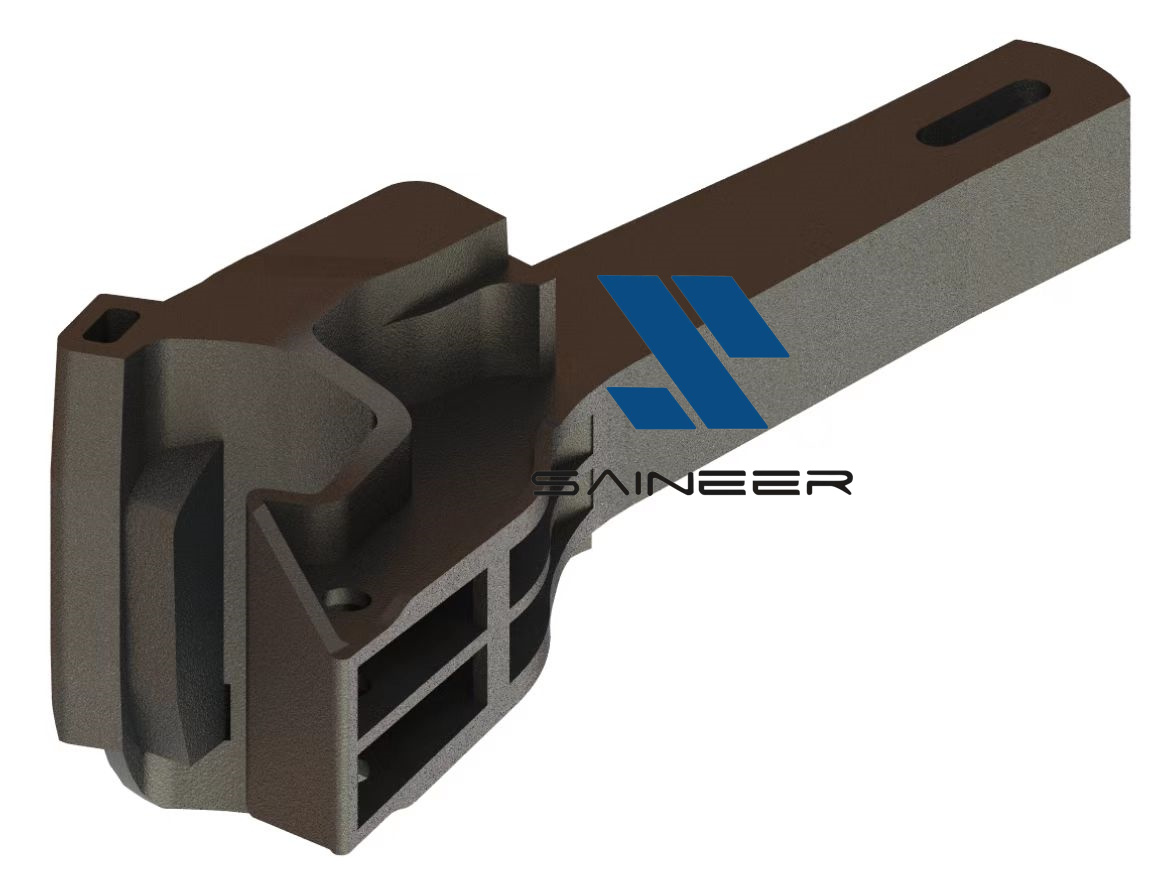
When two carriages need to be coupled, the coupler heads of the CA-3 automatically align and engage with each other. During this process, the internal pneumatic system automatically adjusts the pressure to ensure that the coupler heads are tightly combined. Simultaneously, the electrical system transmits signals to confirm the connection status of the coupler.
Once the connection is complete, the locking mechanism of the CA-3 coupler automatically engages, ensuring that the two carriages do not separate during operation. The locking mechanism features extremely high reliability and stability, maintaining a secure locked state even under various harsh environmental conditions.
When uncoupling is required, the unlocking mechanism of the CA-3 coupler is activated. The unlocking mechanism releases the pressure on the locking device, allowing the coupler head to disengage from the opposing one. This process also requires the coordinated action of the pneumatic and electrical systems, ensuring that the coupler separates smoothly and quickly.
Furthermore, the CA-3 coupler offers excellent cushioning (buffering) performance. If impact forces occur between carriages during train operation, the coupler's buffer device absorbs and mitigates these forces, protecting the carriages and cargo from damage. This cushioning performance is achieved through internal components such as springs and shock absorbers.
In summary, the working principle of the CA-3 coupler relies on the coordinated action of mechanical, pneumatic, and electrical systems to achieve automatic coupling and uncoupling between locomotives and vehicles. It also provides excellent cushioning performance, ensuring the safety and stability of the train during operation.