
- SAINER
- Xianning City,Hubei,China
- lead time: 30-50 days
- a monthly capacity of 10 million
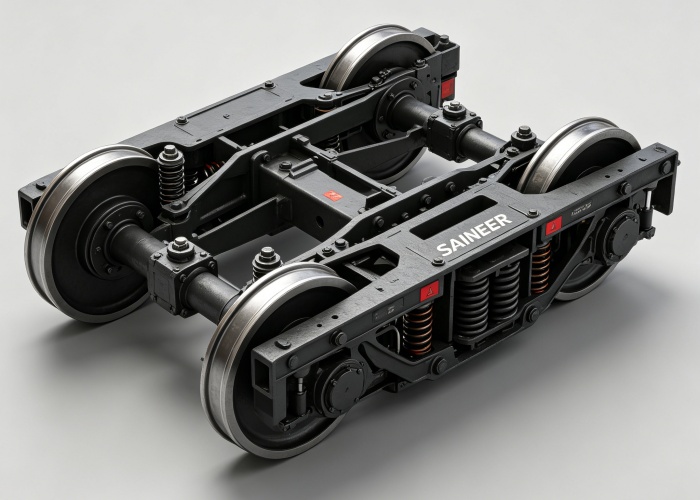
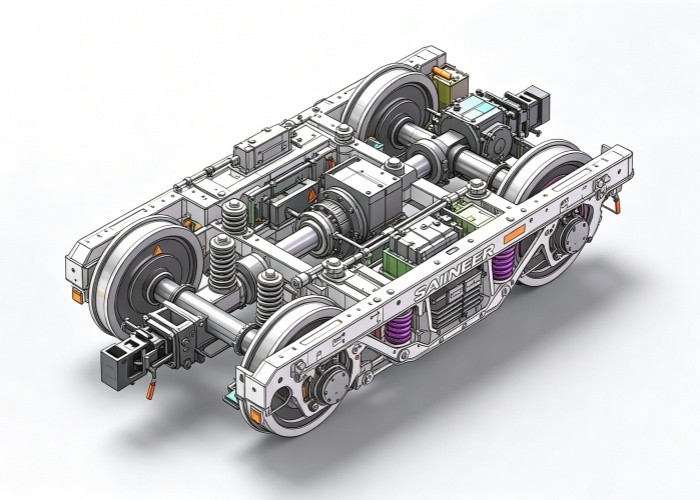
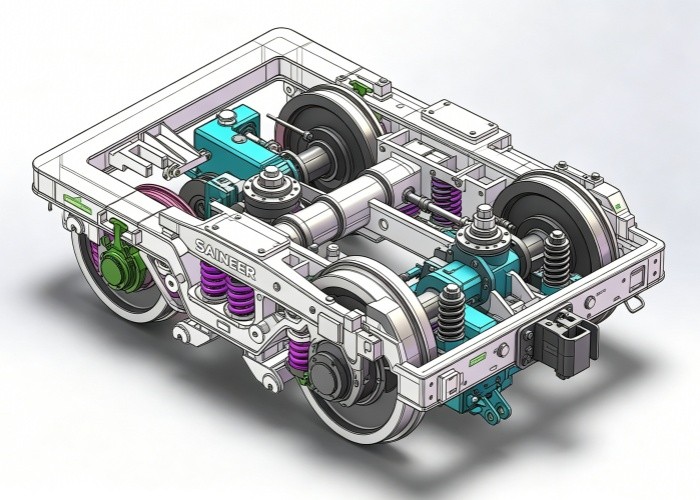
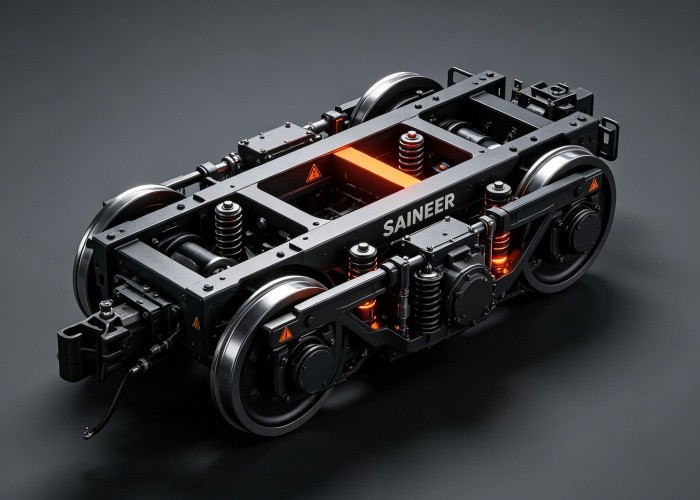
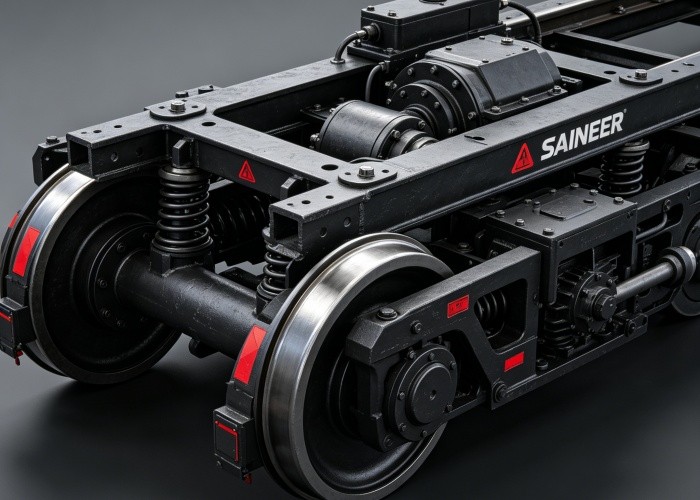
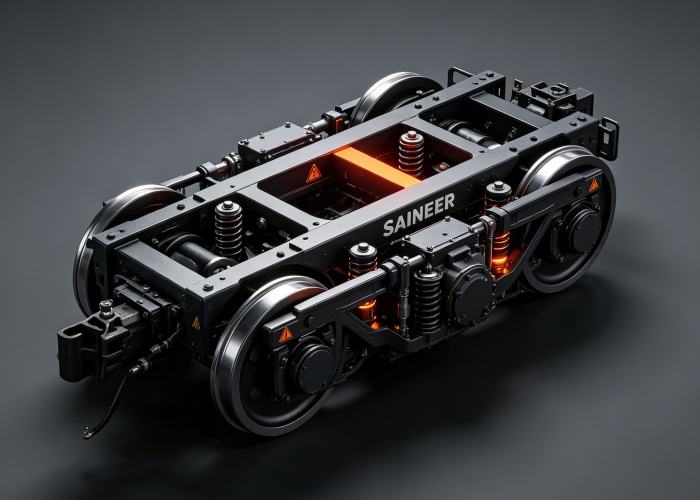
SAINEER low-speed powered bogies are widely applied to self-driving industrial locomotives that require traction and power output, covering full industrial park internal rail transportation scenarios. Equipped with matched traction motor and SAINEER original axle gearbox, it provides stable driving power, strong starting traction and frequent start-stop adaptability for various low-speed heavy-duty rail equipment.
Heavy-Duty SAINEER Powered Bogie for Low-Speed Industrial and Shunting Applications
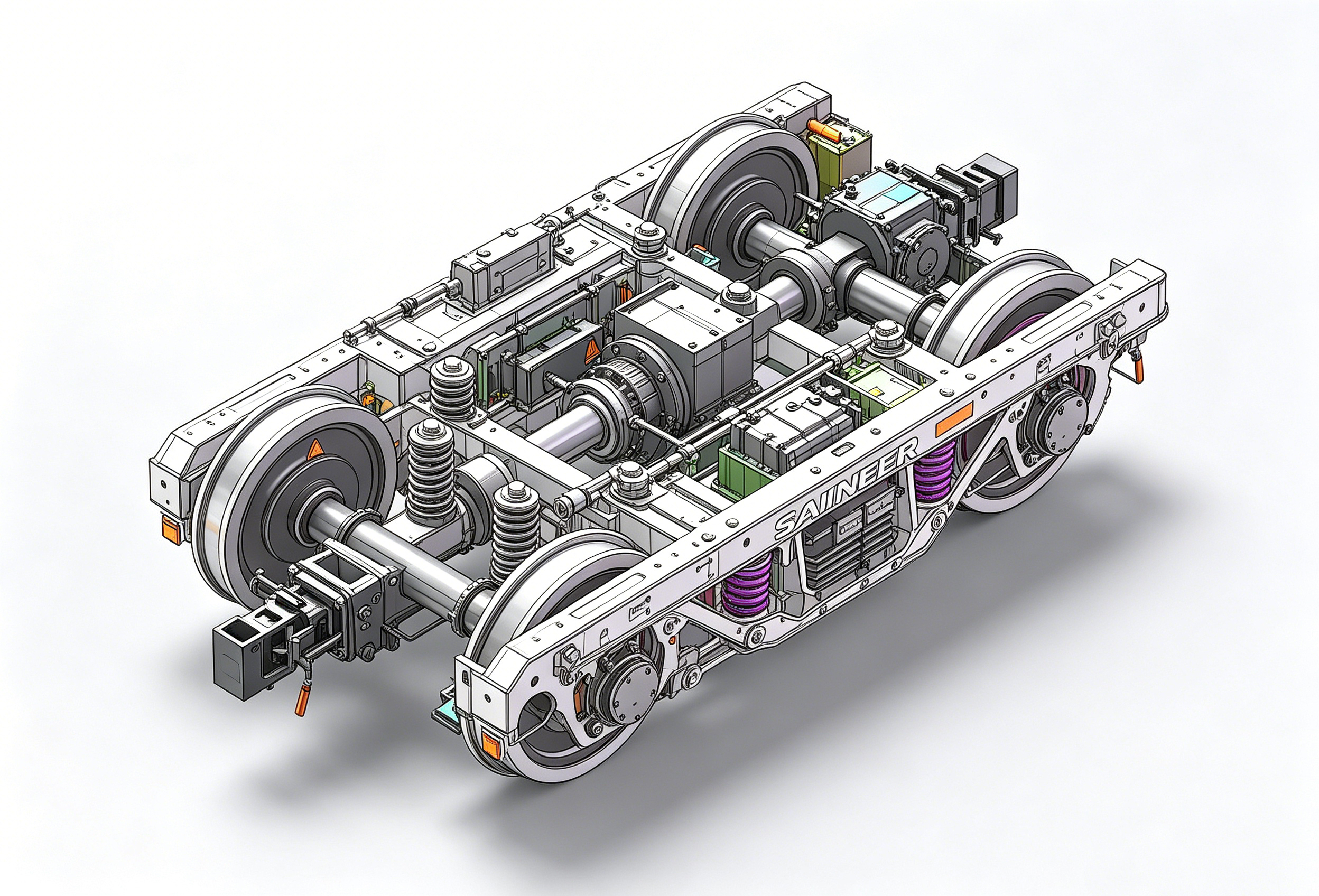
For industrial B2B procurement managers and railway engineers operating in high-demand environments like steel mills, chemical plants, and underground mines, selecting the correct propulsion framework is critical. When managing low-speed, heavy-haul internal transport, using standard rail components on specialized industrial lines often leads to premature mechanical breakdown.
The SAINEER Powered Bogie is engineered specifically for non-passenger, low-speed (maximum speed $\le$ 100km/h) factory and mining rail vehicles, providing the mechanical foundation required for continuous short-distance heavy haulage and on-site shunting.
1. Navigating Critical Engineering Decisions: Pain Points & Engineered Solutions
Industrial rail transport involves abrasive dust, corrosive chemical exposure, and constant start-stop cycles. Below are the three most critical engineering pain points in low-speed industrial transport and how the design of the SAINEER Powered Bogie directly addresses them:
Pain Point 1: Rapid Gearbox Wear and Power Loss During Frequent Start-Stop Shunting
The Risk: Shunting operations require frequent starting under maximum load. Standard aftermarket gear assemblies suffer from high backlash and rapid teeth wear under these high-torque startup conditions, resulting in transmission failures.
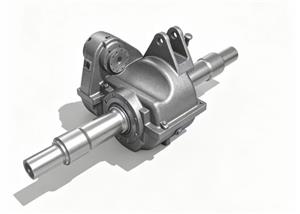
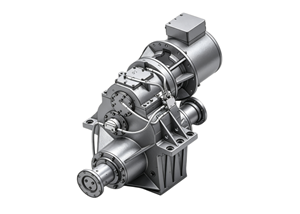
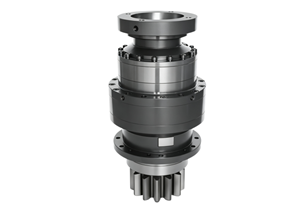
The SAINEER Solution: Every SAINEER Powered Bogie is built with an integrated, original SAINEER axle gearbox directly coupled with a matched industrial traction motor. This integrated layout eliminates mechanical misalignment between the motor and axle, distributes the startup torque evenly across the gear face, and prevents the backlash-induced wear typical of multi-vendor assemblies.
Pain Point 2: Traction Failure and Wheel Slip on Tight-Radius Factory Internal Curves
The Risk: Internal factory rail networks and underground mine tunnels feature sharp curves and uneven track surfaces. Standard rigid bogies experience wheel slip, which degrades traction and accelerates wheel flange wear, creating derailment risks.
The SAINEER Solution: Our Powered Bogie frame geometry is designed specifically for tight-radius curves. The suspension system accommodates localized vertical track deviations, keeping all wheels in constant contact with the railhead to deliver stable starting traction without slipping.
Pain Point 3: Drive System Failure in Severe Chemical, Corrosive, or Dusty Environments
The Risk: Mining dust, steel mill scale, and chemical vapors penetrate standard drive units, degrading lubricants and seizing critical rotating components.
The SAINEER Solution: The original SAINEER axle gearbox and matching motor feature heavy-duty sealing rings and enclosed housings designed to keep abrasive particulates and moisture out. This design ensures reliable operation for our Motorized Bogie for Industrial Shunting Locomotive deployments in highly corrosive or dusty atmospheres.
2. Technical Parameters & Value Translation
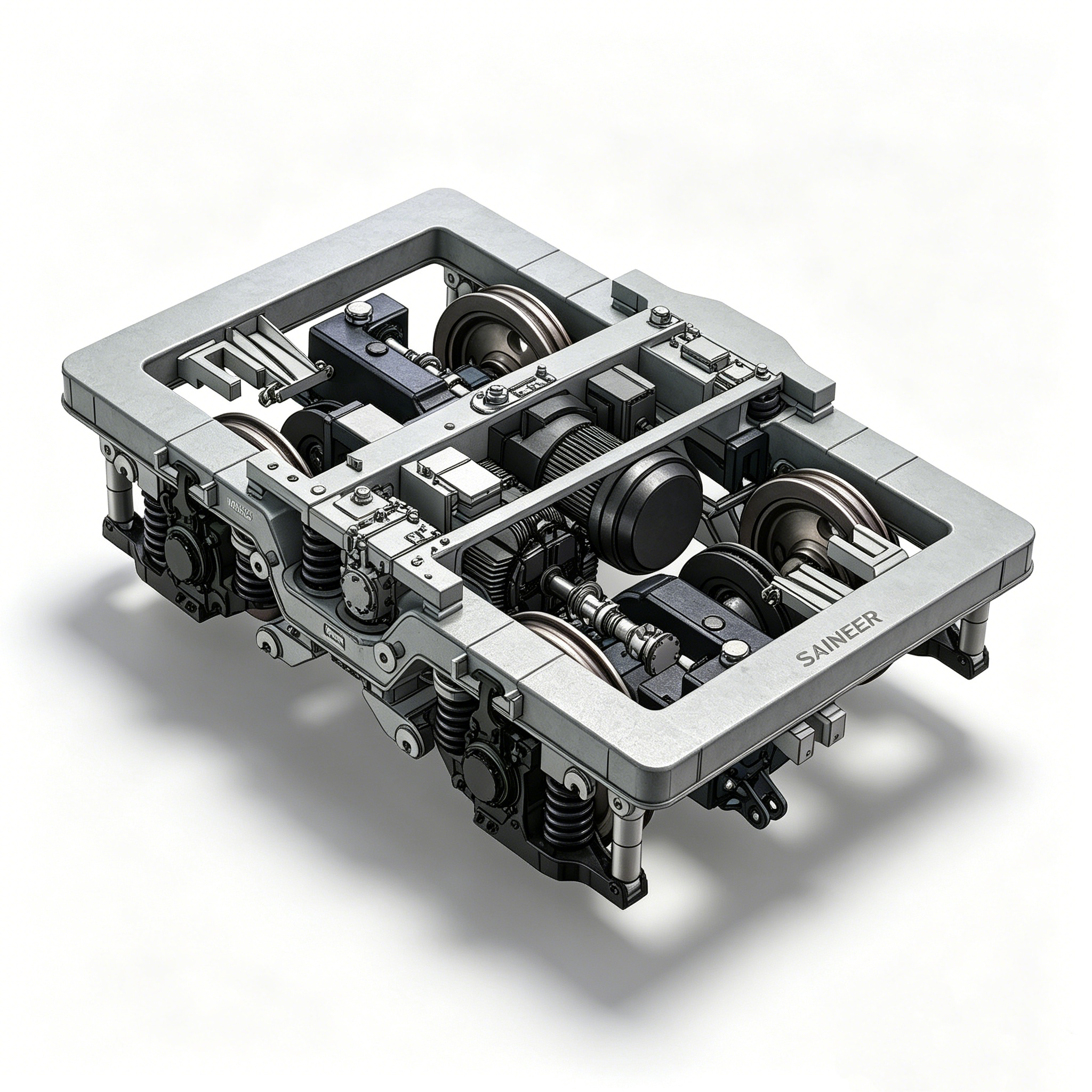
The following technical parameters outline the design limits of the SAINEER low-speed drive systems.
(Note: Specific quantitative values such as exact dimensions, steel grades, or motor power ratings are omitted here to respect the provided source data; these parameters can be populated with your exact catalog figures during final site deployment).
| Technical Parameter | Specification Details | Value Translation for Buyers |
| Maximum Operational Speed | $\le$ 100 km/h (Low-speed optimized) | Tailored specifically for factory, yard, and mining environments; avoids the unnecessary cost of high-speed passenger-grade components. |
| Traction Motor Integration | Matched industrial traction motor | Eliminates power mismatches and electrical overhead, delivering high starting torque for heavy shunting. |
| Gearbox Configuration | SAINEER original axle gearbox | Fully integrated drive assembly reduces mechanical power loss and lowers maintenance overhead. |
| Application Boundaries | Excludes high-speed rail, metro, subway, and EMU scenarios | Direct focus on heavy-duty industrial short-haul setups, ensuring structural margins are optimized for industrial loads. |
| Bogie Frame Construction | Rigid steel weldment optimized for low-speed haulage | Resists structural deformation under continuous static and dynamic loading cycles in heavy industries. |
3. Comparative Engineering Analysis: SAINEER vs. Conventional Bogies
Understanding the distinction between standard railway bogies and the SAINEER Powered Bogie is crucial for long-term operational efficiency:
Drive System Alignment:
Conventional Bogies: Often rely on third-party motor and gearbox assemblies matched post-manufacture. This often leads to rotational vibration, shaft misalignment, and premature bearing failure under heavy load.
SAINEER Bogies: Feature a factory-matched, integrated propulsion design where the traction motor and the SAINEER original axle gearbox are engineered to work as a single unit. This reduces vibration and ensures 100% torque transmission efficiency to the wheels.
Operational Optimization:
Conventional Bogies: Designed to meet broad, generic railroad standards, making them overly complex and expensive for simple, low-speed factory rail loops.
SAINEER Bogies: Strip away redundant passenger-comfort systems to focus purely on structural fatigue life, high starting tractive effort, and robust sealing for harsh industrial environments, offering a better cost-to-performance ratio.
4. Real-World Application Scenarios
The SAINEER Powered Bogie is engineered to operate across demanding industrial sectors where reliable, short-distance rail logistics are essential.
I. Steel & Metallurgical Plants
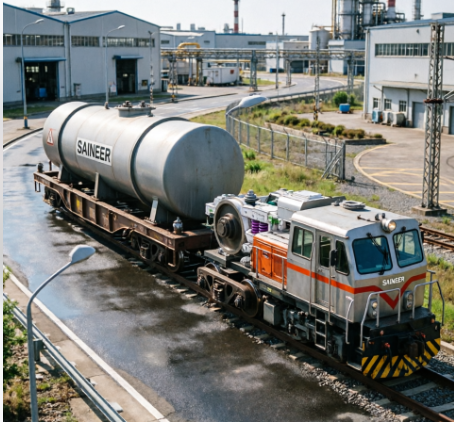
Our Powered Bogie units are designed to withstand extreme radiant heat and heavy dust. They are deployed on ladle transfer cars, furnace feeding locomotives, and steel coil transport shunters, ensuring smooth raw material and finished product movement within the mill.
II. Coal Mines & Underground Mining Areas
In narrow-gauge, low-clearance mining tunnels, space is at a premium. The compact configuration of our Motorized Bogie for Industrial Shunting Locomotive is ideal for narrow-gauge battery electric mining locomotives and underground material transport cars, negotiating tight curves while carrying heavy ore payloads.
III. Chemical & Pharmaceutical Industrial Parks
To mitigate risks in environments with volatile gases or corrosive chemicals, our specialized low-speed bogies support hazardous-material transport railcars and explosion-proof electric shunting locomotives, providing steady, reliable transit across chemical park loops.
IV. Ports, Logistics Yards, & Energy Plants
At bulk handling ports and power stations, our bogies drive container shunting locomotives, plant ash transport vehicles, and bulk material clinker transport cars. These systems ensure consistent, round-the-clock rail car sorting and unloading.
5. Company Strength (Data-Driven)
Specialization: Over a decade of engineering experience focusing exclusively on specialized industrial rail solutions.
Engineering Focus: Dedicated to low-speed ($\le$ 100km/h) heavy-duty industrial transport systems.
(Note: Specific manufacturing facility square footage, annual capacity figures, patent numbers, and exact quality certificates are omitted as they were not provided in the original text. To maintain accuracy and prevent fabrication, these fields are left blank for manual insertion of your specific corporate records).
6. International Standards & Industry Compliance
To ensure compliance with global procurement standards for industrial machinery, the SAINEER Powered Bogie and matching trailing bogies are built to satisfy the following industrial criteria:
Welding and Structural Integrity: Welding processes comply with standard industrial heavy machinery weld specifications to prevent failure under dynamic fatigue.
Electrical Safety: Electrical insulation and motor design conform to industrial traction motor standards, ensuring stable performance during continuous start-stop cycles.
Quality Management: Manufactured under strict quality control processes to ensure structural alignment and dimensional accuracy across every batch.
7. Performance Proof & Durability Indicators
To ensure long-term reliability in harsh environments, SAINEER uses targeted quality control steps:
Factory-Matched Testing: Every motor and original axle gearbox assembly is run-tested prior to installation on the Powered Bogie frame to verify gear meshing, sealing integrity, and operating temperatures.
Structural Load Testing: Frames are structurally tested to ensure they can carry heavy industrial payloads without structural deflection or weld fatigue.
Environmental Sealing Verification: The gearbox seals are validated to prevent lubricant leakage and keep out industrial particulates like coal dust and slag.
8. Frequently Asked Questions (FAQ)
Q1: Can the SAINEER Powered Bogie be used on high-speed passenger rail or subway networks?
A: No. Our engineering focus is strictly on industrial applications with a maximum speed of $\le$ 100km/h. All configurations are optimized for on-site shunting, short-distance heavy haulage, and factory internal fixed-line transport, and are not intended for passenger EMU, metro, or mainline high-speed networks.
Q2: What track gauges are supported by your motorized bogie designs?
A: Our bogies are adaptable to various industrial track layouts. We support standard gauge installations as well as narrow-gauge configurations (commonly used in underground mining and older metallurgical plant rail lines). Please specify your track gauge requirements during the technical consultation phase.
Q3: How does the matched traction motor and original axle gearbox setup reduce maintenance?
A: By matching the motor directly to our original gearbox, we eliminate the misalignment issues common with third-party components. This balanced design minimizes wear on bearings and gears, extending service intervals even under frequent start-stop shunting conditions.
Q4: Are these bogies suitable for use in explosion-hazardous chemical environments?
A: Yes. For chemical and pharmaceutical industrial parks, the Motorized Bogie for Industrial Shunting Locomotive can be configured with explosion-proof traction motors and sealed electrical enclosures to prevent ignition sources in volatile environments.
Q5: What is the benefit of pairing a trailing bogie with a SAINEER Powered Bogie?
A: This combination optimizes your equipment's cost-to-performance ratio. The motorized bogie provides the starting traction and braking force, while the trailing bogies support the structural weight of the load, reducing your overall capital expenditure.